What 16GB RAM Actually Means for Everyday Use
Buying a laptop in 2026 feels like a spec battle.
16GB. 24GB. 32GB.
Everyone says “get more RAM.” Few people explain what that actually changes in real life.
Let’s simplify it.
Because for most people, 16GB isn’t a number — it’s a question:
Will this feel fast… or outdated in two years?
⸻
What RAM Actually Does
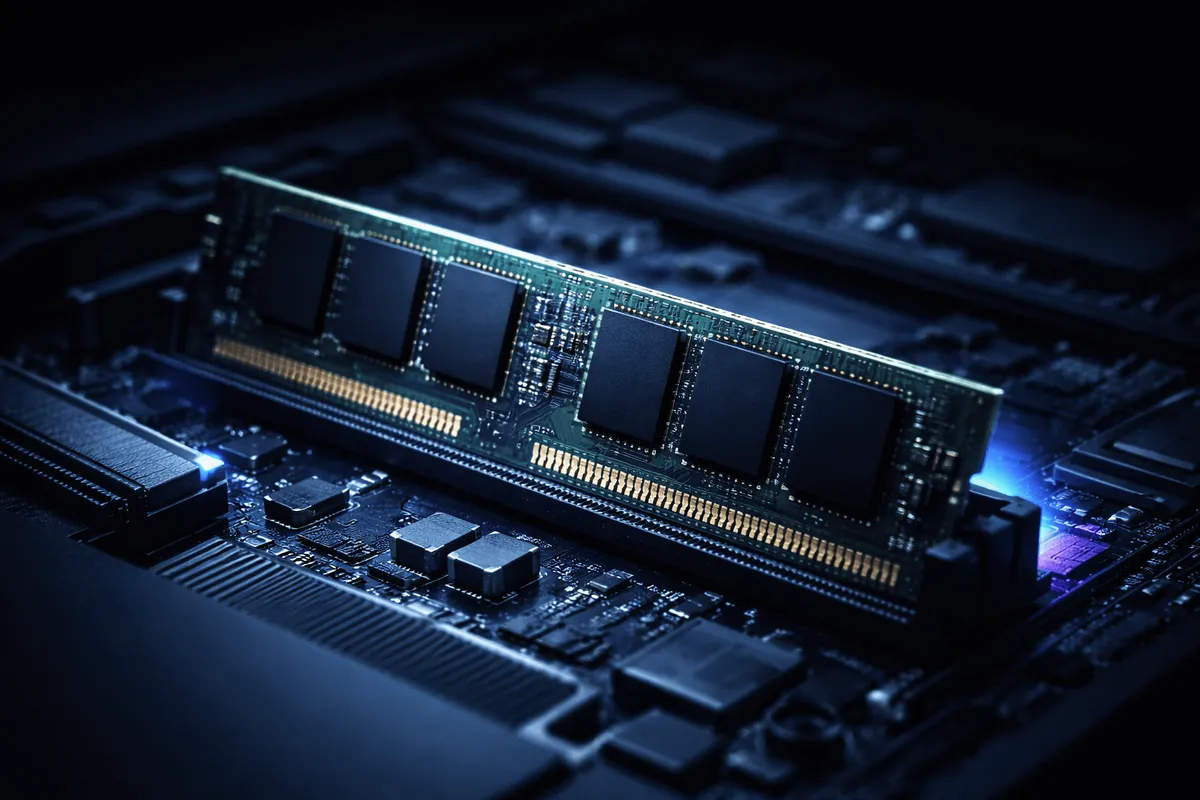
RAM is your laptop’s short-term memory.
It holds:
• Open browser tabs
• Active apps
• Background processes
• Temporary files while you edit photos or documents
The more RAM you have, the more things your laptop can juggle at the same time without slowing down.
It does not make your processor faster.
It does not increase storage.
It simply prevents slowdowns when multitasking.
In plain English:
RAM determines how “crowded” your system feels.
⸻
What 16GB Looks Like in Real Life
Here’s what 16GB comfortably handles in 2026:
• 20–40 browser tabs
• Spotify running
• Slack or Teams open
• A Word or Google Docs session
• Light photo editing
• Occasional Canva or Figma work
• A few background sync apps
And it will still feel smooth.
That’s the key.
You won’t hear the fans ramping up.
You won’t see beachballs.
You won’t feel hesitation when switching apps.
For most office work, study, browsing, and light creative tasks — 16GB is not “bare minimum.”
It’s balanced.
⸻
Where 16GB Starts to Struggle
There are limits.
You’ll notice pressure if you:
• Edit 4K video regularly
• Run virtual machines
• Work in heavy 3D software
• Open massive RAW photo batches
• Compile large code projects all day
It won’t break.
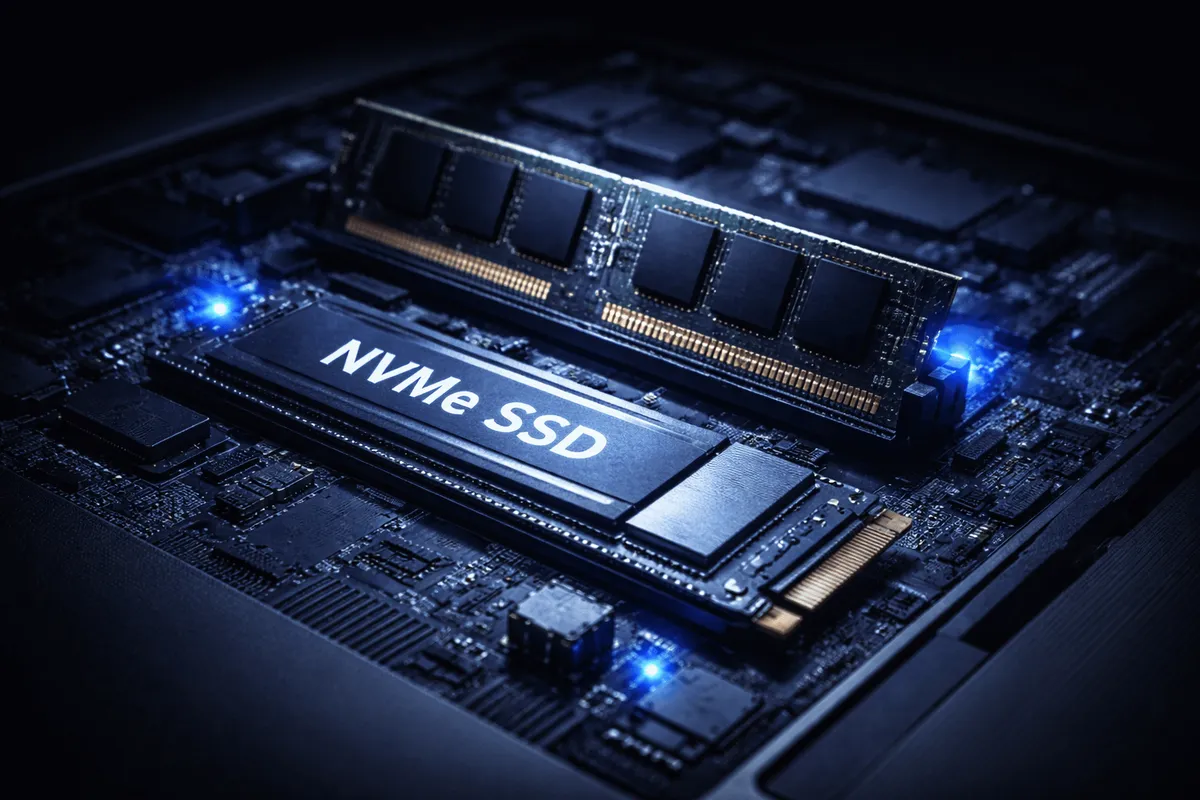
But it may start using swap memory (your SSD as temporary overflow), which makes things feel slightly slower under load.
If you export 4K video daily — that’s different.
⸻
Why 8GB No Longer Feels Enough
A few years ago, 8GB was fine.
In 2026, it’s tight.
Modern browsers are heavier.
Web apps behave like desktop software.
Background sync is constant.
8GB works — but you’ll feel the ceiling.
16GB gives breathing room.
And breathing room equals longevity.
⸻
The Longevity Question
Here’s what actually matters.
Most people keep a laptop for 4–6 years.
In that timeframe:
• Apps get heavier
• Operating systems grow
• Browser demands increase
16GB today is not overkill.
It’s future-proofing for normal use.
32GB is future-proofing for demanding workflows.
There’s a difference.
Buy balanced, not flashy.
⸻
What People Don’t Talk About
A few honest realities:
• On many modern laptops, RAM is not upgradeable.
• Manufacturers charge a premium for upgrades.
• Doubling RAM doesn’t double performance.
If your work rarely exceeds 10–12GB usage, you won’t “feel” 32GB.
Extra memory only helps when you’re actually using it.
More isn’t automatically better.
Unused RAM just sits there.
⸻
So… Is 16GB Enough?
For students? Yes.
For office work? Absolutely.
For content browsing and productivity? Easily.
For light creative work? Yes.
For daily heavy professional workloads?
Consider more.
In plain English:
16GB RAM means your laptop won’t feel stressed during normal multitasking.
And that’s what most people actually need.